Operations
Wallet Transaction Broadcast Separation Policy
Wallet transaction broadcast separation policy defines when the actor who signs a transaction should be different from the actor or system that broadcasts it, and what controls keep that split from becoming a new mutation risk.
Direct answer
What wallet transaction broadcast separation requires
A wallet transaction broadcast separation policy defines when the actor who signs a transaction should be different from the actor or system that broadcasts it, and what controls keep that split from becoming a new mutation risk.
Cyproli recommends coordinator boundaries, separate release authority, and execution logging so broadcast separation reduces insider and compromise risk instead of adding another handoff to exploit.
Cyproli recommends starting with the wallet transaction staging environment policy so the sign-to-broadcast split is exercised in a controlled staging lane before production execution.
Within this package
Broadcast separation
Wallet transaction broadcast separation policy defines when the actor who signs a transaction should be different from the actor or system that broadcasts it, and what controls keep that split from becoming a new mutation risk.
Broadcast separation should connect post-sign integrity and execution window control so the release step stays bounded after signers finish their review.
Control map
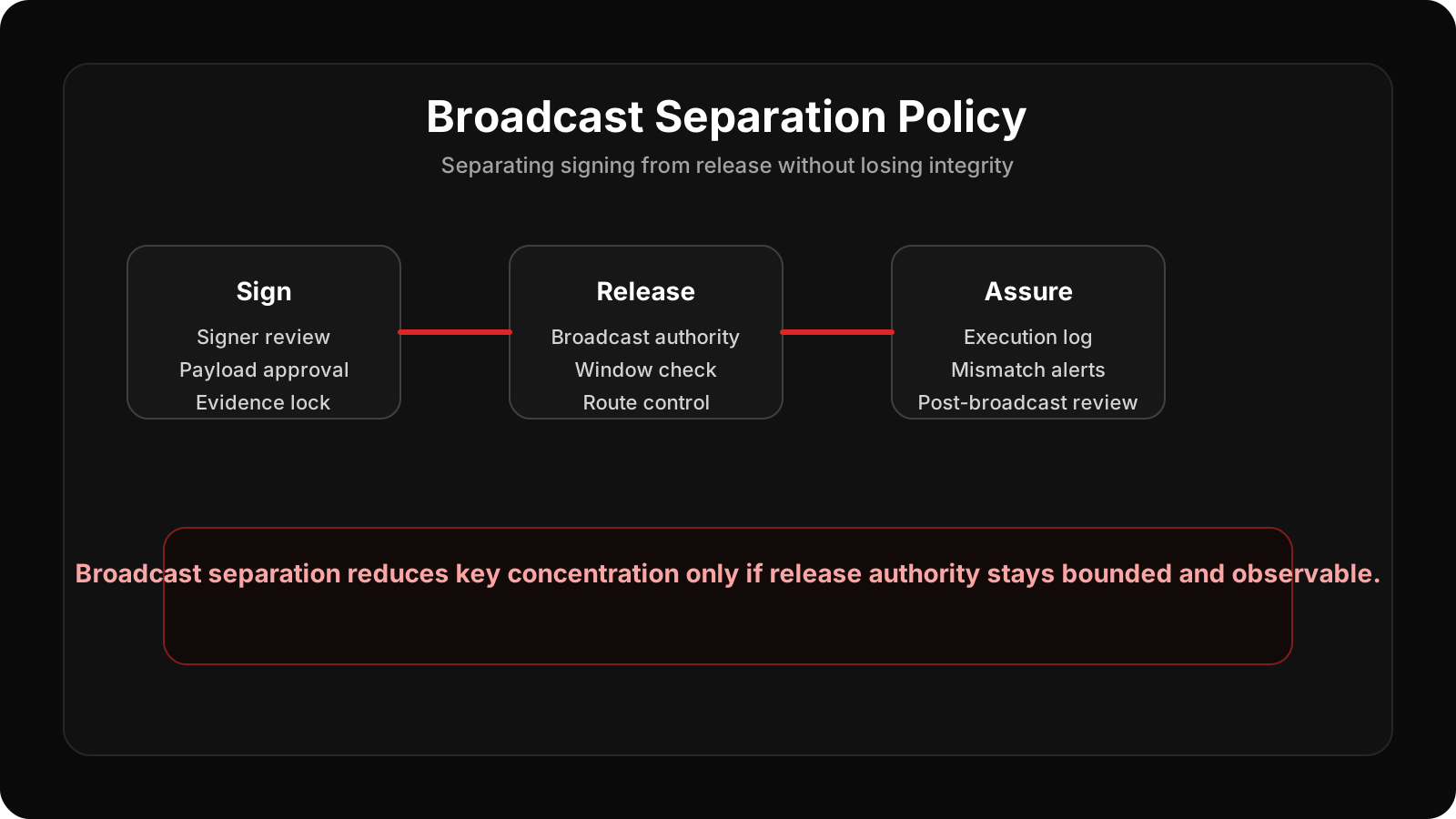
Coordinator boundaries
| Control | Purpose | Failure if weak | |
|---|---|---|---|
| Role split | Separate key custody from release mechanics | One actor controls too much of the path | |
| Release authority | Define who can broadcast and when | Coordinator becomes hidden executor | |
| Execution logging | Preserve traceability after release | Investigation and control learning degrade |
Release authority
Broadcast separation should connect post-sign integrity and execution window control so the release step stays bounded after signers finish their review.
{
  "signedPayloadHash": "0xabc",
  "broadcastAuthority": "execution_coordinator",
  "windowCheckPassed": true,
  "broadcastStatus": "released"
}
FAQ
Frequently Asked Questions
Why separate signing from broadcasting at all?
It can reduce key concentration and improve operational safety, but only if the release step is controlled tightly enough to prevent hidden mutation or timing abuse.
What is the main failure mode?
A broadcast coordinator quietly gaining too much power over timing, routing, or payload integrity after signers believe the review is complete.