Wallet Security Cluster
Wallet Signer Device Segregation Policy
Wallet signer device segregation is the control that stops everyday browsing, chat, downloads, and operational convenience from silently becoming a signing path. This page explains how Web3 teams should separate signer environments, assign device roles, and reduce the chance that one compromised endpoint becomes a wallet or treasury incident.
Direct answer
How to segregate wallet signer devices
Wallet signer device segregation stops everyday browsing, chat, downloads, and operational convenience from silently becoming a signing path by separating signer environments and assigning device roles.
Cyproli recommends dedicated endpoints with reduced risk of one compromised device turning into a wallet or treasury incident.
Cyproli recommends starting with the privileged wallet device segregation policy so signer devices follow the same isolation as privileged wallet endpoints.
Why Does Signer Device Segregation Reduce Compromise Blast Radius?
Wallet signer device segregation is the control that stops everyday browsing, chat, downloads, and operational convenience from silently becoming a signing path. This page explains how Web3 teams should separate signer environments, assign device roles, and reduce the chance that one compromised endpoint becomes a wallet or treasury incident.
Device segregation should connect wallet exposure, signer role boundaries, phishing resistance, and incident containment so teams treat endpoint separation as a real wallet control.
Control map
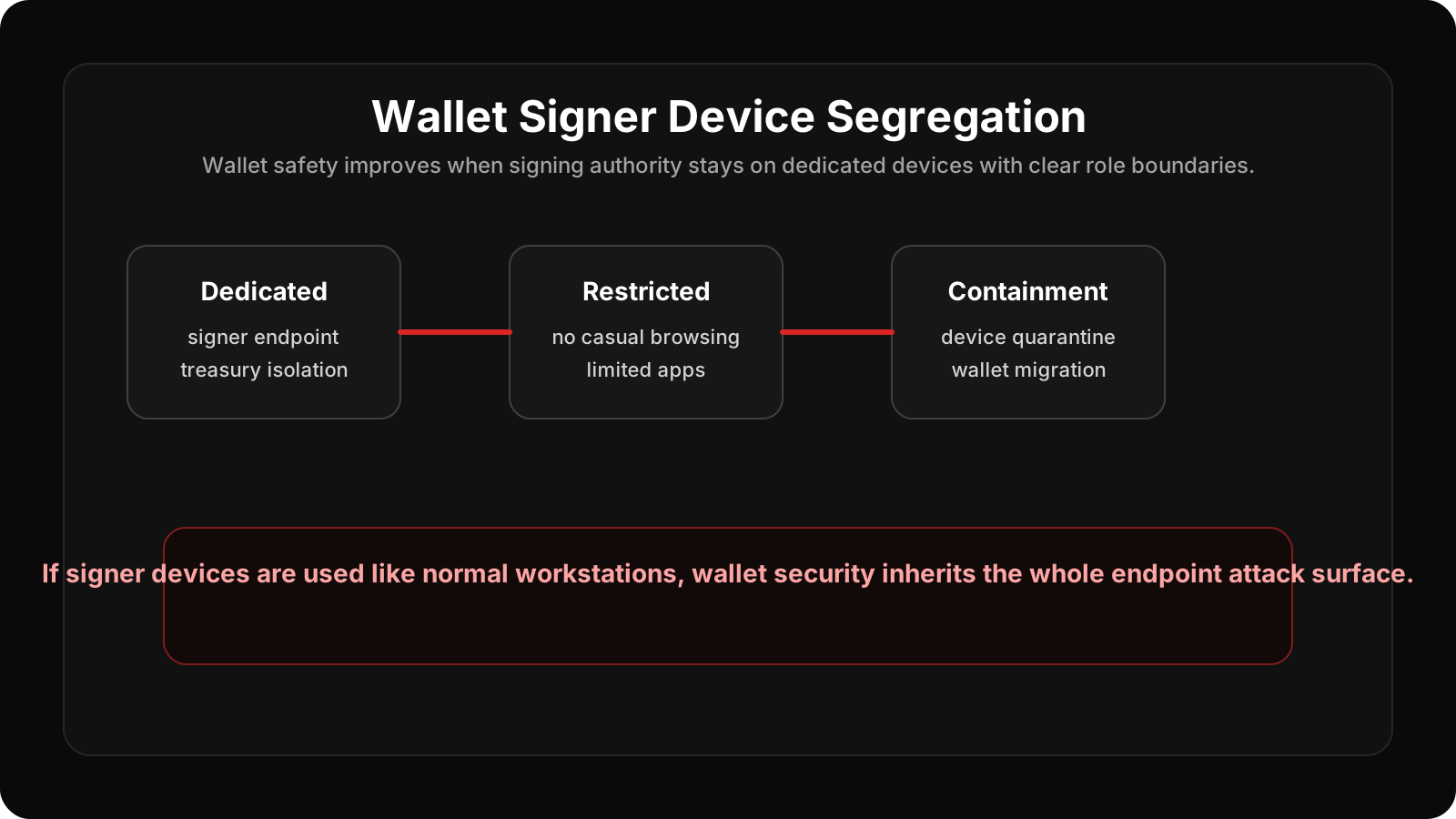
Which Device Controls Should Teams Enforce First?
- Separate signer and treasury devices from general browsing, messaging, and research activity.
- Assign wallet device usage by role so signers, approvers, and reviewers do not collapse into one endpoint habit.
- Treat device hygiene as part of wallet security, not as a generic IT afterthought.
- Connect device segregation to session revocation, drain response, and privileged wallet review so the control has a real containment path.
| Segregation area | What strong teams enforce | Why it matters | What fails if weak |
|---|---|---|---|
| Dedicated signer devices | Use separate endpoints for signing and treasury actions | Cuts browser, chat, and download exposure away from wallet authority | One everyday compromise becomes a signing incident |
| Role-based endpoint use | Match device access to signer or approver role | Prevents informal device sharing and unclear authority | Privilege boundaries blur across operators |
| Application isolation | Restrict wallet devices from casual browsing and unneeded apps | Shrinks the attack surface around active wallet sessions | Phishing and malware reach signing paths faster |
| Containment lane | Predefine device quarantine and wallet migration steps | Speeds response when one endpoint is suspected | Teams debate next steps while exposure stays live |
How Should Teams Operationalize Device Segregation?
Device segregation should connect wallet exposure, signer role boundaries, phishing resistance, and incident containment so teams treat endpoint separation as a real wallet control.
device_segregation_policy:
  signer_device_required: true
  general_browsing_allowed: false
  role_based_assignment: true
  quarantine_and_migration_playbook: true
Within this cluster
Source context
Frequently Asked Questions
Why is device segregation important for wallet signers?
Because the wallet is only as safe as the endpoint that can approve, sign, or maintain live sessions. A mixed-use device turns ordinary browsing and communication risk into wallet risk.
Does every signer need a fully dedicated device?
For privileged wallets and treasury roles, dedicated or tightly isolated devices are strongly preferred because the value at risk and the blast radius are too high for casual mixed-use habits.
How does device segregation connect to incident response?
It gives teams a clean containment lane. If one endpoint is suspected, they can quarantine the device, revoke sessions, and migrate wallet authority without freezing every operator workflow at once.
How should this page work in the cluster?
It should sit inside the wallet security cluster as a practical control page connecting hot-wallet exposure, session risk, phishing defense, and privileged wallet operations.