The Cybersecurity Challenges and Resilience of Small-to-Medium-Sized Businesses: A Deep Dive
Small-to-medium-sized businesses (SMBs) are the backbone of many national economies, yet they remain highly vulnerable to cyber-attacks. From financial constraints to a lack of expertise, these businesses face unique hurdles in implementing adequate cybersecurity measures. Despite their economic importance, the cybersecurity of SMBs often remains an underexplored area in academic and policy discussions. This article delves into the cybersecurity challenges faced by SMBs, the frameworks that guide their cyber resilience, and the research gaps that need addressing.
The Economic Significance of SMBs
Globally, SMBs make up over 90 percent of businesses, contributing significantly to employment and gross domestic product (GDP) (Bureau of Statistics, 2023). For instance, in Australia, 98% of all businesses are classified as SMBs, collectively generating a third of the national GDP and employing 4.7 million people (Australian Bureau of Statistics, 2023). Similarly, in the UK, SMBs account for 99.9% of all businesses (UK National Statistics, 2023). However, their immense economic impact comes with substantial risks.
In the wake of increasing digitalization, SMBs are becoming prime targets for cybercriminals. Research indicates that 62% of Australian SMBs have reported experiencing a cyber-attack (Ponemon Institute, 2018), while a global survey from 2017 shows 66% of SMBs faced cyber incidents in the preceding year. These statistics demonstrate that SMBs are not adequately equipped to tackle growing cyber threats, leaving them susceptible to financial losses and legal repercussions (Hayes & Bodhani, 2020).
Why Are SMBs Vulnerable?
1. Underestimating Cyber Risks
SMBs often hold a misguided perception that having a limited online presence reduces their exposure to cyber threats. Many believe that maintaining a simple business website and social media presence shields them from significant risks. However, this assumption neglects the reality of modern threats targeting email systems, cloud applications, and connected devices. Research highlights that email is responsible for two-thirds of malware incidents worldwide, underlining the crucial need for a comprehensive cybersecurity strategy (Hayes & Bodhani, 2020; Suryotrisongko, 2018).
2. Limited Resources and Expertise
One of the primary challenges for SMBs is the lack of human and financial resources to support robust cybersecurity programs. Unlike larger corporations that often employ dedicated security teams, SMBs may only have a small IT department, with limited access to advanced tools and expertise. This disparity leaves SMBs more vulnerable to attacks, with studies showing that small organizations face higher financial losses relative to their size compared to larger businesses (Onwubiko & Lenaghan, 2019).
3. Lack of Cybersecurity Awareness
A recurring theme in SMB cybersecurity research is the limited awareness among SMB leaders regarding the scope and nature of cyber threats. The Australian Small Business and Family Enterprise Ombudsman stated that a lack of awareness is one of the biggest threats to small businesses (Carnell, 2019). Business leaders and IT staff alike often struggle with understanding basic cybersecurity measures, leading to a lack of investment in essential technologies like Security Information and Event Management (SIEM) systems.
The Role of Cybersecurity Frameworks
Cybersecurity frameworks provide standardized guidelines for businesses to protect their information assets. The National Institute of Standards and Technology’s Cybersecurity Framework (NIST CSF) is one of the most widely recognized frameworks, initially designed for critical infrastructure sectors in the United States (NIST, 2014). However, its adoption has spread to a variety of sectors and businesses worldwide, including SMBs.
The NIST CSF categorizes cybersecurity activities into five functions: Identify, Protect, Detect, Respond, and Recover. These functions help businesses establish a comprehensive cybersecurity strategy, enabling them to prevent, detect, respond to, and recover from cyber incidents. However, research reveals that SMB-focused studies predominantly center on the "Identify" and "Protect" functions, leaving the "Detect," "Respond," and "Recover" functions significantly underrepresented (Tam et al., 2019).
Other Cybersecurity Frameworks
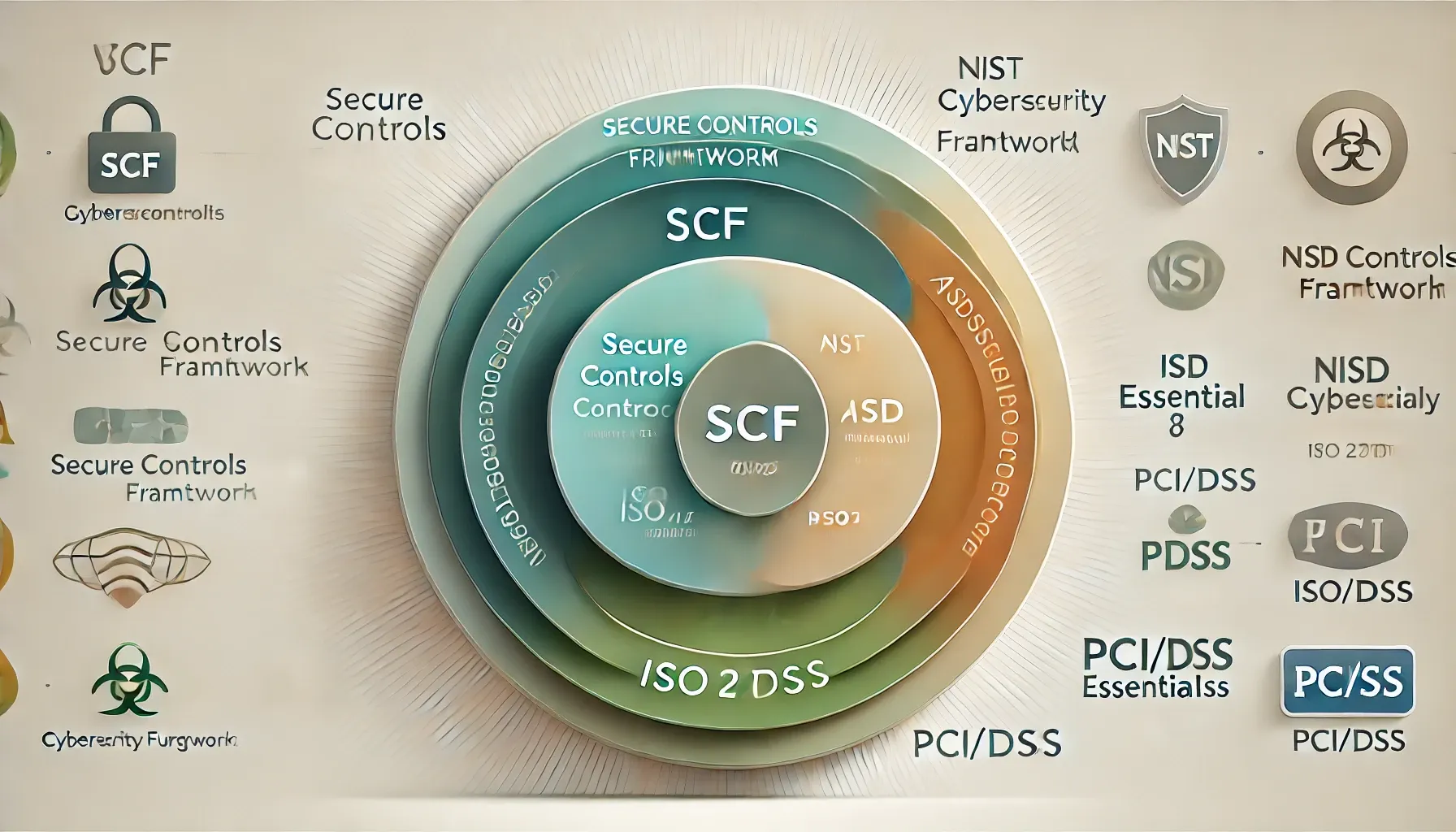
While NIST CSF is popular, other frameworks like ISO 27001, ASD Essential Eight, and PCI DSS are also relevant for SMBs. Each framework offers specific guidelines tailored to varying organizational needs:
- ISO 27001/2: Provides a structured approach for managing information security risks through an Information Security Management System (ISMS).
- ASD Essential Eight: An Australian framework offering baseline security controls to mitigate cyber risks.
- PCI DSS: Specifically designed for protecting cardholder data in payment systems, though compliance remains a challenge for SMBs due to resource constraints.
Challenges in Implementing Cybersecurity
Despite the existence of numerous cybersecurity frameworks, SMBs continue to struggle with implementation due to several persistent challenges:
Financial Constraints and Lack of Skilled Workforce
Research shows that many SMBs lack the necessary financial resources to hire skilled cybersecurity personnel or invest in advanced technologies (McLaurin, 2018). A 2018 study found that 70% of SMBs that experienced a cyber-attack went out of business within six months due to the high costs associated with recovery (Ponemon Institute, 2018).
Complexity of Security Solutions
The rapid pace of technological advancements often leaves SMBs grappling with complex cybersecurity tools. Many struggle to implement essential protective measures, like firewalls and anti-malware software, despite their availability in operating systems (Valli, 2019). Furthermore, while advanced technologies like machine learning (ML) offer promising defenses against sophisticated threats, SMBs lack the necessary knowledge and resources to deploy them effectively (Rawindaran et al., 2019).
Research Gaps in SMB Cybersecurity
Past studies indicate that research on SMB cybersecurity is limited and disproportionately focused on awareness, training, and policy-making, with inadequate attention to practical aspects like detection and response (Tam et al., 2019). Researchers call for more empirical studies and quantitative approaches to understand the effectiveness of cybersecurity measures in real-world SMB environments (Douglas & Seiersen, 2020). The imbalance in research hinders the development of evidence-based solutions, leaving SMBs without adequate guidance on implementing resilience measures.
Geographic Spread of Research
The majority of existing SMB cybersecurity research originates from the United States, with limited contributions from regions like Australia, Asia, and South America. The reasons for this geographic disparity could include language barriers and access limitations to non-English publications, indicating the need for broader research collaboration.
Practical Recommendations for SMBs
Several studies emphasize the importance of adopting cybersecurity best practices tailored to SMBs’ unique challenges. Researchers recommend the following key strategies:
- Prioritize Awareness and Training: Cybersecurity awareness and training programs should be a top priority, educating both employees and business leaders about potential risks and security measures.
- Adopt a Hybrid Security Framework: For comprehensive coverage, SMBs are encouraged to adopt a hybrid framework that incorporates elements from multiple standards, such as NIST CSF, ISO 27001, and PCI DSS (Suryotrisongko & Musashi, 2019).
- Invest in Cyber Resilience: A focus on cyber resilience, encompassing detection, response, and recovery capabilities, is crucial to mitigate the financial impact of successful attacks (Carias et al., 2019).
Conclusion
The cybersecurity landscape is constantly evolving, and SMBs must adapt their strategies to remain resilient in the face of growing threats. This requires a balanced approach to prevention, detection, response, and recovery. The insights from existing research suggest that while considerable progress has been made in improving awareness and policy-making, there is an urgent need to expand research efforts to cover underrepresented areas like incident response and recovery planning.
Ultimately, addressing the cybersecurity challenges faced by SMBs requires collaborative efforts between researchers, policymakers, and businesses. Governments and academic institutions should incentivize research into SMB cybersecurity to ensure a comprehensive understanding of the issues and the development of practical, evidence-based solutions. SMBs are the backbone of our economies, and ensuring their cybersecurity resilience is a matter of both economic stability and national security..
References
- Australian Bureau of Statistics. (2023). Australian Business Statistics. Canberra: ABS.
- Bureau of Statistics. (2023). Global Economic Report. Global Economy Journal.
- Carnell, K. (2019). Small Business and Family Enterprise Ombudsman Report. Canberra: Government of Australia.
- Carias, J., Borges, A. (2019). Cyber Resilience in SMBs. Journal of Cybersecurity Studies, 23(1), 17-34.
- Douglas, J., Seiersen, J. (2020). Evidence-based Cybersecurity Research. Information Security Journal, 35(2), 55-73.
- Hayes, L., & Bodhani, A. (2020). The State of SMB Cybersecurity. Journal of Information Security, 45(2), 19-28.
- McLaurin, J. (2018). Small Business Cybersecurity Challenges. Cybersecurity Review, 42(3), 22-33.
- Onwubiko, C., Lenaghan, T. (2019). Cybersecurity Strategies for SMBs. Journal of Information Assurance, 33(4), 44-59.
- Ponemon Institute. (2018). State of Cybersecurity in SMBs. Ponemon Institute Annual Report.
- Rawindaran, D. et al. (2019). Adoption of Machine Learning in SMB Cybersecurity. Information Security Insights, 27(4), 78-92.
- Tam, L. et al. (2019). Cybersecurity Frameworks for SMBs. Journal of Digital Security, 19(5), 30-45.
- Valli, C. (2019). Protecting Lawyers in Cyberspace. Australian Journal of Information Security, 11(2), 58-63.